By create_admin
Native American art isn’t just beautiful. It’s functional, sacred, and alive. Every pattern, color, and object carries meaning that stretches back centuries. It’s not art for art’s sake—it’s survival, storytelling, and spiritual practice.
Art as Language and Survival
Native American tribes created art long before European contact. From petroglyphs etched into canyon walls to intricate beadwork on deer hides, each culture developed unique styles based on available materials and spiritual worldviews. In times of colonization and forced assimilation, art became a tool for cultural survival.
Pottery, basketry, carvings, textiles—each form tells a story. They’re visual languages for prayers, warnings, histories, and lessons. When oral traditions were suppressed, art became one of the few remaining voices.
Regional Styles and Materials
The diversity across Native American tribes is vast. Hopi pottery, with its matte paints and symbolic motifs, differs greatly from the vibrant beadwork of Plains tribes or the carved totems of the Pacific Northwest.
- Southwest: Pueblo pottery, Navajo weaving, Zuni stone inlay
- Plains: Beadwork, featherwork, hide painting
- Northwest Coast: Totem poles, cedar masks, bentwood boxes
- Arctic/Inuit: Carvings from ivory and bone, textiles made from animal hides
Each region uses what the land provides. Art isn’t separate from life. It’s rooted in ecology, ceremony, and daily survival.
Symbols and Spiritual Depth
Many Native American artworks are packed with symbolism. The turtle often represents endurance and protection. The eagle symbolizes vision and a connection to the Creator. Spiral motifs can symbolize life cycles or water sources.
These are not generic symbols. They’re culturally specific and often sacred. Misuse or misrepresentation can be deeply disrespectful.
Art as Resistance
From the boarding school era to modern mass appropriation, Native people have had to fight to keep their artistic traditions alive. Making art became an act of resistance. Women secretly taught beadwork to daughters. Men carved forbidden ceremonial figures in secret.
Now, art has returned as both revival and resistance. It pushes back against stereotypes and commodification. Artists like Jaune Quick-to-See Smith and Nicholas Galanin confront colonization head-on in their work.
Living Artists, Living Traditions
Today’s Native American artists aren’t relics of the past. They’re vibrant creators who blend tradition with modern innovation. Some still make traditional baskets, while others paint with spray cans or code digital installations.
Support Indigenous artists by buying directly from them or verified sources. Follow their work on social media. Learn their stories. Native art isn’t something to be consumed passively. It asks for your attention and respect.
How to Engage Respectfully
- Learn about the tribe and artist behind the work.
- Avoid knockoffs or mass-produced “Native-style” decor.
- Don’t copy sacred symbols or regalia.
- Support education, not appropriation.
Final Thought
Native American art isn’t frozen in time. It’s alive, evolving, and powerful. Every piece you encounter is a thread in a much larger story—one of survival, identity, resistance, and pride. If you listen closely, you might hear what it’s saying.
AW Perkins Poe Wood Stove & Furnace Rake
$71.96 (as of March 16, 2026 19:07 GMT +00:00 - More infoProduct prices and availability are accurate as of the date/time indicated and are subject to change. Any price and availability information displayed on [relevant Amazon Site(s), as applicable] at the time of purchase will apply to the purchase of this product.)
ARPEOTCY Gold Framed Canvas Wall Art, 12x16inch, Coffee Cup Art Prints, Retro Neutral Decor for Coffee bar Kitchen Living Dining Room, Still Life Vintage Shelf Decor,Small
$21.99 (as of March 16, 2026 19:07 GMT +00:00 - More infoProduct prices and availability are accurate as of the date/time indicated and are subject to change. Any price and availability information displayed on [relevant Amazon Site(s), as applicable] at the time of purchase will apply to the purchase of this product.)
Signature Design by Ashley Drice Contemporary Panther Mosaic Glass & Paper Composite Sculpture, Black
$178.67 (as of March 16, 2026 19:07 GMT +00:00 - More infoProduct prices and availability are accurate as of the date/time indicated and are subject to change. Any price and availability information displayed on [relevant Amazon Site(s), as applicable] at the time of purchase will apply to the purchase of this product.)
Love Tree Ketubah Jewish Marriage Document with Interfaith Reform Jewish Text
$250.00 (as of March 16, 2026 19:07 GMT +00:00 - More infoProduct prices and availability are accurate as of the date/time indicated and are subject to change. Any price and availability information displayed on [relevant Amazon Site(s), as applicable] at the time of purchase will apply to the purchase of this product.)
InSimSea Brown Framed Canvas Wall Art, Bedroom Small Vintage Art,11x14in, Retro Sun floral Paintings Prints, Country Bohemian Shelf Decor for Living Dining Room Hallway, Anti-dust(with acrylic panel)
$23.99 (as of March 16, 2026 19:07 GMT +00:00 - More infoProduct prices and availability are accurate as of the date/time indicated and are subject to change. Any price and availability information displayed on [relevant Amazon Site(s), as applicable] at the time of purchase will apply to the purchase of this product.)
yersiz Large Moss Pattern Wall Art, Real Moss Wall Art for Living Room & Bedroom, Set of 2 Vintage Wall Panels for Interior Wall Decor, Bathroom & Home Decor, Eco-Friendly Natural Green Wall Decor
$129.90 (as of March 16, 2026 19:07 GMT +00:00 - More infoProduct prices and availability are accurate as of the date/time indicated and are subject to change. Any price and availability information displayed on [relevant Amazon Site(s), as applicable] at the time of purchase will apply to the purchase of this product.)
Tiny Saints St. Padre Pio
$7.99 (as of March 16, 2026 19:07 GMT +00:00 - More infoProduct prices and availability are accurate as of the date/time indicated and are subject to change. Any price and availability information displayed on [relevant Amazon Site(s), as applicable] at the time of purchase will apply to the purchase of this product.)
Year in Prayer - Mountains
$40.00 (as of March 16, 2026 19:07 GMT +00:00 - More infoProduct prices and availability are accurate as of the date/time indicated and are subject to change. Any price and availability information displayed on [relevant Amazon Site(s), as applicable] at the time of purchase will apply to the purchase of this product.)
BigFoot Clear Shower Curtain Liner - 72x72 Odorless Plastic with Magnets, Washable Long Bathroom Curtain - Premium PEVA Waterproof Bath Shower Liner, Rust-Proof Bathroom Essentials
$9.98 (as of March 16, 2026 06:49 GMT +00:00 - More infoProduct prices and availability are accurate as of the date/time indicated and are subject to change. Any price and availability information displayed on [relevant Amazon Site(s), as applicable] at the time of purchase will apply to the purchase of this product.)
Amazon Basics Slim Velvet Non-Slip Space Saving Suit Clothes Hangers, Closet Organizer, Black, 50-Pack
$18.60 (as of March 16, 2026 06:49 GMT +00:00 - More infoProduct prices and availability are accurate as of the date/time indicated and are subject to change. Any price and availability information displayed on [relevant Amazon Site(s), as applicable] at the time of purchase will apply to the purchase of this product.)
Blissy Silk Pillowcase - 100% Pure Mulberry Silk - 22 Momme 6A High-Grade Fibers - Silk Pillow Cover for Hair & Skin - Regular, Queen & King (Aqua, King)
$82.46 (as of March 16, 2026 20:24 GMT +00:00 - More infoProduct prices and availability are accurate as of the date/time indicated and are subject to change. Any price and availability information displayed on [relevant Amazon Site(s), as applicable] at the time of purchase will apply to the purchase of this product.)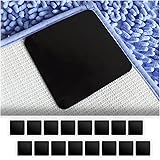
16 PCS Grippers of Rug Pad, Non-Slip Carpet Gripper for Hardwood Floors and Tile, Reusable and Washable Area Carpet Tape, Double-Sided Adhesive Pads, Keeps Corners Flat
$6.99 (as of March 16, 2026 20:24 GMT +00:00 - More infoProduct prices and availability are accurate as of the date/time indicated and are subject to change. Any price and availability information displayed on [relevant Amazon Site(s), as applicable] at the time of purchase will apply to the purchase of this product.)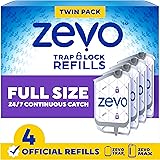
Zevo Flying Insect Trap Official Refill Cartridges - Fits Both Zevo Trap & MAX Indoor Fly Trap - Authentic Trap+Lock Technology to Catch Gnats, House & Fruit Flies (4 Official Refill Cartridges)
$14.75 (as of March 16, 2026 06:49 GMT +00:00 - More infoProduct prices and availability are accurate as of the date/time indicated and are subject to change. Any price and availability information displayed on [relevant Amazon Site(s), as applicable] at the time of purchase will apply to the purchase of this product.)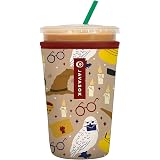
Sok It JavaSok Iced Coffee & Cold Soda Insulated Neoprene Cup Sleeve (Horcrux, Medium: 22-28oz)
$10.19 (as of March 16, 2026 20:24 GMT +00:00 - More infoProduct prices and availability are accurate as of the date/time indicated and are subject to change. Any price and availability information displayed on [relevant Amazon Site(s), as applicable] at the time of purchase will apply to the purchase of this product.)