By create_admin
Native American jewelry is more than adornment. It’s a declaration of identity, heritage, and connection to the land. For many tribes, especially in the Southwest, it’s a sacred tradition passed down through generations.
Origins of a Tradition
Before European contact, Native people made jewelry using natural materials: shell, turquoise, bone, stone, and copper. After the Spanish introduced silversmithing in the 1800s, tribes like the Navajo, Zuni, and Hopi adapted the craft, creating distinctive styles.
- Navajo: Known for heavy silverwork, stamp work, and large turquoise stones.
- Zuni: Masters of stone inlay—cutting tiny pieces of stone into intricate mosaic-like patterns.
- Hopi: Recognized for their overlay technique, where one piece of silver is cut with symbolic designs and soldered atop another.
The Meaning Behind the Materials
- Turquoise: Protection, healing, connection to sky and water
- Coral: Life force and vitality (often imported and historically rare)
- Onyx and Jet: Grounding, protection
- Shells: Coastal connections, trade routes, and sacred symbolism
Each stone carries spiritual weight. Jewelry isn’t just made—it’s prayed over, blessed, and worn with intention.
Symbols That Speak
Designs vary by artist and tribe, but some symbols recur:
- Thunderbird: Power, divine presence
- Bear Paw: Strength, leadership
- Water wave: Life, flow, change
- Spiral: Journey, evolution, growth
These are not just visuals. They’re inherited languages. Wearing them means carrying the stories they hold.
Spotting Authenticity
The market is full of mass-produced “Native-inspired” jewelry. Here’s how to find the real thing:
- Look for hallmarks or signatures from known Native artists
- Buy from verified Native-owned galleries and shops
- Ask questions: Who made it? What tribe are they from?
- Be wary of vague labels like “Southwest-style” or “Indian-inspired”
Ethics Matter
Buying authentic Native jewelry helps artists sustain their culture and families. Knockoffs exploit sacred traditions and take income away from Indigenous communities.
Support ethical trade by:
- Buying directly from Native artists at fairs or online
- Researching sellers and galleries
- Understanding tribal affiliations and their specific art forms
Featured Artists to Follow
- Cippy CrazyHorse (Cochiti Pueblo): Bold, traditional silverwork
- Keri Ataumbi (Kiowa): Contemporary pieces blending fine art and heritage
- Pat Pruitt (Laguna Pueblo): High-tech metalwork and industrial design
Conclusion
Native American jewelry isn’t just something you wear. It’s something you witness. Each piece is a legacy of land, story, and resilience. When you wear it, wear it with respect.
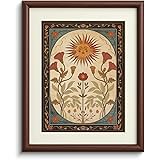
InSimSea Brown Framed Canvas Wall Art, Bedroom Small Vintage Art,11x14in, Retro Sun floral Paintings Prints, Country Bohemian Shelf Decor for Living Dining Room Hallway, Anti-dust(with acrylic panel)
$23.99 (as of March 16, 2026 19:07 GMT +00:00 - More infoProduct prices and availability are accurate as of the date/time indicated and are subject to change. Any price and availability information displayed on [relevant Amazon Site(s), as applicable] at the time of purchase will apply to the purchase of this product.)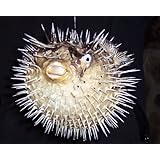
An Island Girl Huge Puffer Porcupine Real Blowfish Fish
$27.00 (as of March 16, 2026 19:07 GMT +00:00 - More infoProduct prices and availability are accurate as of the date/time indicated and are subject to change. Any price and availability information displayed on [relevant Amazon Site(s), as applicable] at the time of purchase will apply to the purchase of this product.)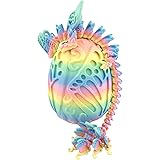
3D Printed Articulated Pastel Rainbow Butterfly Dragon, Home/Office/Desktop Decor, Flexible Sensory Toy, Unique Gift, Insect Lover Gift. (9.5 Inch Dragon with Butterfly Egg)
$14.99 (as of March 16, 2026 19:07 GMT +00:00 - More infoProduct prices and availability are accurate as of the date/time indicated and are subject to change. Any price and availability information displayed on [relevant Amazon Site(s), as applicable] at the time of purchase will apply to the purchase of this product.)
Handwritten Chinese Calligraphy Wall Art - 福寿康宁 (Blessings, Prosperity, Longevity, Peace) - Red Rice Paper - Bonus Snake Red String Bracelet - for Home Decor, Feng Shui, Gifts
$16.00 (as of March 16, 2026 19:07 GMT +00:00 - More infoProduct prices and availability are accurate as of the date/time indicated and are subject to change. Any price and availability information displayed on [relevant Amazon Site(s), as applicable] at the time of purchase will apply to the purchase of this product.)
ARPEOTCY Gold Framed Canvas Wall Art, 12x16inch, Coffee Cup Art Prints, Retro Neutral Decor for Coffee bar Kitchen Living Dining Room, Still Life Vintage Shelf Decor,Small
$21.99 (as of March 16, 2026 19:07 GMT +00:00 - More infoProduct prices and availability are accurate as of the date/time indicated and are subject to change. Any price and availability information displayed on [relevant Amazon Site(s), as applicable] at the time of purchase will apply to the purchase of this product.)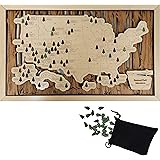
LIVIN HARMONY 70 Replacement Trees for National Parks Map. Only fits National Park Maps. Other sellers of national parks maps are different size.
$8.99 (as of March 16, 2026 19:07 GMT +00:00 - More infoProduct prices and availability are accurate as of the date/time indicated and are subject to change. Any price and availability information displayed on [relevant Amazon Site(s), as applicable] at the time of purchase will apply to the purchase of this product.)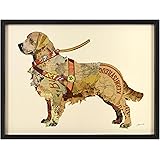
Empire Art Direct "Golden Retriever" Hand-made dimensional art collage, under glass, encased on a black shadow box frame, Ready to Hang, Living Room, Bedroom & Office, 25" x 33" x 1.4"
$128.13 (as of March 16, 2026 19:07 GMT +00:00 - More infoProduct prices and availability are accurate as of the date/time indicated and are subject to change. Any price and availability information displayed on [relevant Amazon Site(s), as applicable] at the time of purchase will apply to the purchase of this product.)
Year in Prayer - Mountains
$40.00 (as of March 16, 2026 19:07 GMT +00:00 - More infoProduct prices and availability are accurate as of the date/time indicated and are subject to change. Any price and availability information displayed on [relevant Amazon Site(s), as applicable] at the time of purchase will apply to the purchase of this product.)
Wildflower Seeds Bulk 10000+, 1.06oz Butterfly Hummingbird Mix, 21 Variety Perennial Annual Mix, Non-GMO Heirloom Flower Seeds for Planting Outdoor Indoor, High Germination Rate Garden Seeds
$7.99 (as of March 16, 2026 20:24 GMT +00:00 - More infoProduct prices and availability are accurate as of the date/time indicated and are subject to change. Any price and availability information displayed on [relevant Amazon Site(s), as applicable] at the time of purchase will apply to the purchase of this product.)
Anwyll St.Patrick's Day Confetti - 3000Pcs Green Shamrock Confetti St.Patrick's Day Party Favor Decoration Lucky Clover Irish Table Scatter Confetto for Sanit Patricks Day Party Decor Desk(105G)
$5.99 (as of March 16, 2026 20:24 GMT +00:00 - More infoProduct prices and availability are accurate as of the date/time indicated and are subject to change. Any price and availability information displayed on [relevant Amazon Site(s), as applicable] at the time of purchase will apply to the purchase of this product.)
2 Pack Tinsel Backdrop, 3.28 FTx7.05 FT Green St Patricks Day Party Decorations, Metallic Backdrop Curtains Tinsel Curtains Streamer Backdrop, Party Supplies Wall Decor for St. Patricks Party Birthday
$5.98 (as of March 16, 2026 06:49 GMT +00:00 - More infoProduct prices and availability are accurate as of the date/time indicated and are subject to change. Any price and availability information displayed on [relevant Amazon Site(s), as applicable] at the time of purchase will apply to the purchase of this product.)
Grill Cover, 32 inch Heavy Duty BBQ Gas Grill Cover for Outdoor Grill, Waterproof, Weather Resistant, Anti-UV, Rip-Proof, Fade Resistant Barbecue Cover with Hook-and-Loop Straps for Most Grills
$25.99 (as of March 16, 2026 20:24 GMT +00:00 - More infoProduct prices and availability are accurate as of the date/time indicated and are subject to change. Any price and availability information displayed on [relevant Amazon Site(s), as applicable] at the time of purchase will apply to the purchase of this product.)
Nee Doh 2026 Easter Golden Egg Treasure Hunt Mystery 10-Piece Set (1PC)
$18.99 (as of March 16, 2026 20:24 GMT +00:00 - More infoProduct prices and availability are accurate as of the date/time indicated and are subject to change. Any price and availability information displayed on [relevant Amazon Site(s), as applicable] at the time of purchase will apply to the purchase of this product.)
Ultra Soft Queen Size Mattress Topper - Viscose Made from Bamboo Pillow Top Mattress Pad for Back Pain Relief - Naturally Cooling for Hot Sleepers, Green
$45.99 (as of March 16, 2026 06:49 GMT +00:00 - More infoProduct prices and availability are accurate as of the date/time indicated and are subject to change. Any price and availability information displayed on [relevant Amazon Site(s), as applicable] at the time of purchase will apply to the purchase of this product.)